


Are you looking to improve your touch, build eye-catching skills, and have fun with the ball? Juggling a soccer ball is the art of keeping the ball in the air using your feet, thighs, chest, shoulders, or head. This does more than impress the crowd—it is a fundamental skill that teaches coordination and control.
The best way to learn how to juggle a soccer ball is to practice. But what should you practice and how? We’ve got you covered. Whether you’re trying to juggle the ball for the first time or you’re a pro wanting to sharpen your skills, you’ll find everything you need to know in this guide.
Why Learn to Juggle a Soccer Ball?
Learning to juggle a soccer ball improves your first touch, ball control, and footwork with both feet. These qualities give players of all positions an edge in real game situations like:
- Making a softer first touch to keep possession under pressure.
- Escaping defenders with a clever first touch.
- Receiving passes on the run, straight into dribbling with control and acceleration.
- Cushioning crosses.
- Taming awkward bounces and spins to regain control.
- Intercepting clearances.
- Completing passes, clearances, and precise finishes with your weaker foot.
- Setting up the first touch you need to curve a soccer ball and score game-winning goals.
- Nailing crisper volleys, half‑volleys, and, if you’re a keeper, side‑volley distributions.
- Winning the ball during set pieces like throw-ins, free kicks, and corners.
What Do I Need to Juggle a Soccer Ball?
You can practice juggling a soccer ball solo any time and just about anywhere. But aside from some open space and a flat surface — grass, turf, or a gym floor — the right soccer gear for juggling will make your practice sessions easier and help you enjoy the process:
- A ball: Start with a training or league ball, as these tend to have more forgiving foam backing and tougher stitching for high-volume reps. For a crisp, precise strike and competition-grade quality, check out Trionda, the official match ball of the FIFA World Cup 26™. Look for consistent rebound and enough cushioning to soften contact without feeling spongy. Use the right ball size —Size 5 if you’re 12 or older — and keep your ball properly inflated for a predictable touch.
- Footwear: Pick comfortable soccer shoes with good grip. Go with cleats for grass and indoor shoes on hard courts.
- Clothing: Wear comfortable, moisture-wicking soccer apparel so you stay locked in throughout your session. For unrestricted movement and freedom to focus on each strike, pair your favorite breathable soccer jersey with adidas soccer training pants and cushioned adidas soccer socks.
Start by Warming Up
Warming up your ankles and hips helps you land smoother touches and prepares your muscles, tendons, and joints for safer practice sessions. A 3 to 5-minute warmup you can try is:
- 10 ankle circles per ankle in each direction.
- Two 20-second sets of high-knees.
- 10 hamstring sweeps per leg. Stand tall with one foot forward, toes up, bend forward by hinging your hips, and swing or sweep your arms forward from behind your hips, bringing them up past your shins and nearly touching the ground along the way for a good stretch.
- 10 toe taps per foot. Stand tall with the ball in front of you and tap the top of the ball lightly with your toes, alternating your feet as you go. Up the speed to increase the intensity.
How to Juggle a Soccer Ball Based on Your Skill Level
Whether you want to learn to juggle a soccer ball as a beginner or you’re here for a refresher, follow this guide to get started.
Beginners: The One-Touch Catch
Juggling in soccer starts with dropping the ball down to your foot. Remember to keep your ankle locked and your toes pointed up. Create a flat surface for the ball with your instep or laces. Wait until the ball falls to around knee-height, then strike the bottom-center of the ball to send it straight up. Keep the motion small and lift from the knee rather than the hip to keep control. And always keep the ball below your waist.
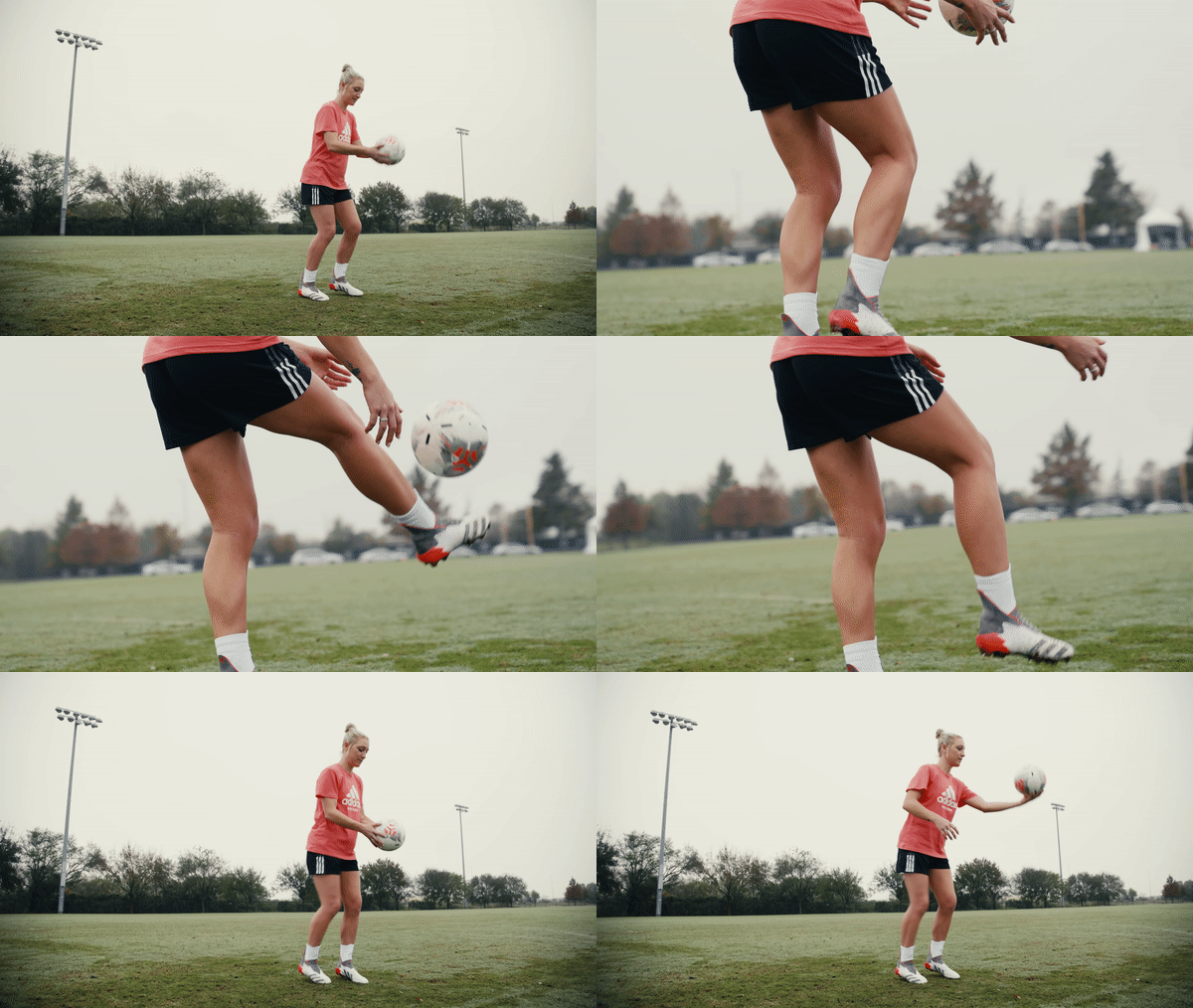
The steps:
- Start with the ball in your hands.
- Drop the ball down to your foot.
- Kick the ball back up with your laces.
- Catch the ball in your hands.
- Repeat, repeat, repeat.
You could also try alternating feet to build consistency. Once you land 5 one-touch catches in a row on the right and 5 in a row on the left, or 10 alternating touches, you’re ready to move on.
Intermediate: Multiple Touches
Once you feel confident in your ability to juggle with one touch, take it up a notch. Keep your knees slightly bent, your upper body relaxed, and your eyes focused on the bottom of the ball. Try to juggle using multiple touches with one or both feet.
You can always take it back to catching the ball in your hands after one touch if you are struggling with control. Then you can alternate left-right-catch, then left-right-left-right-catch, and build up your streak from there. You should also try starting your streak on the opposite side.
Controlling the soccer ball’s height is your cheat code for easier juggling, so keep it between knee-height and waist-height.
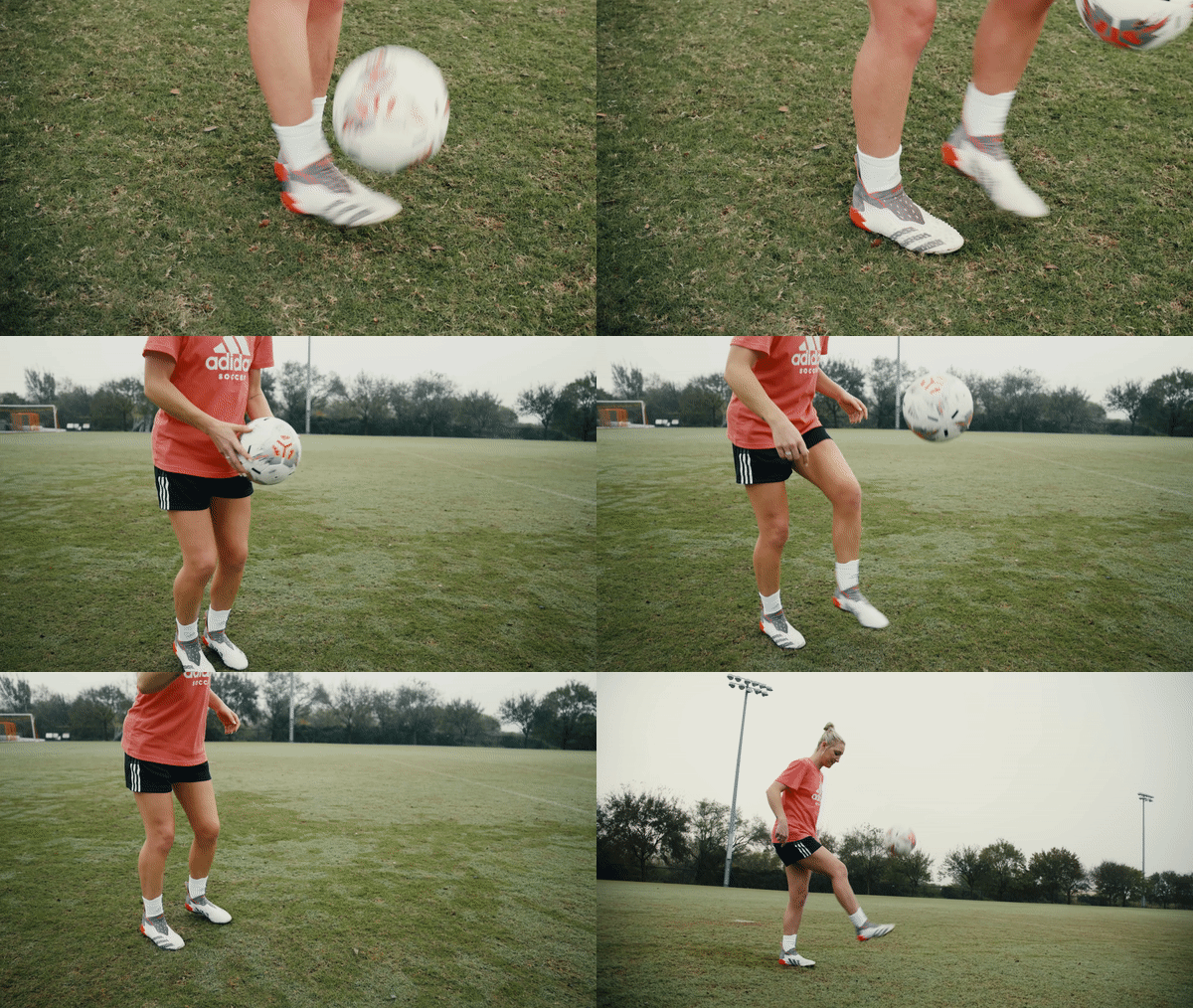
The steps:
- Start with the ball in your hands.
- Drop the ball down to your foot.
- Kick the ball back up with your laces.
- Alternate juggling the ball between your left and right foot.
Advanced: Challenging Juggling Techniques
You’ve aced soccer ball juggling 101. Now it’s time to challenge yourself! These advanced juggling techniques are helpful ball control drills for players of all levels:
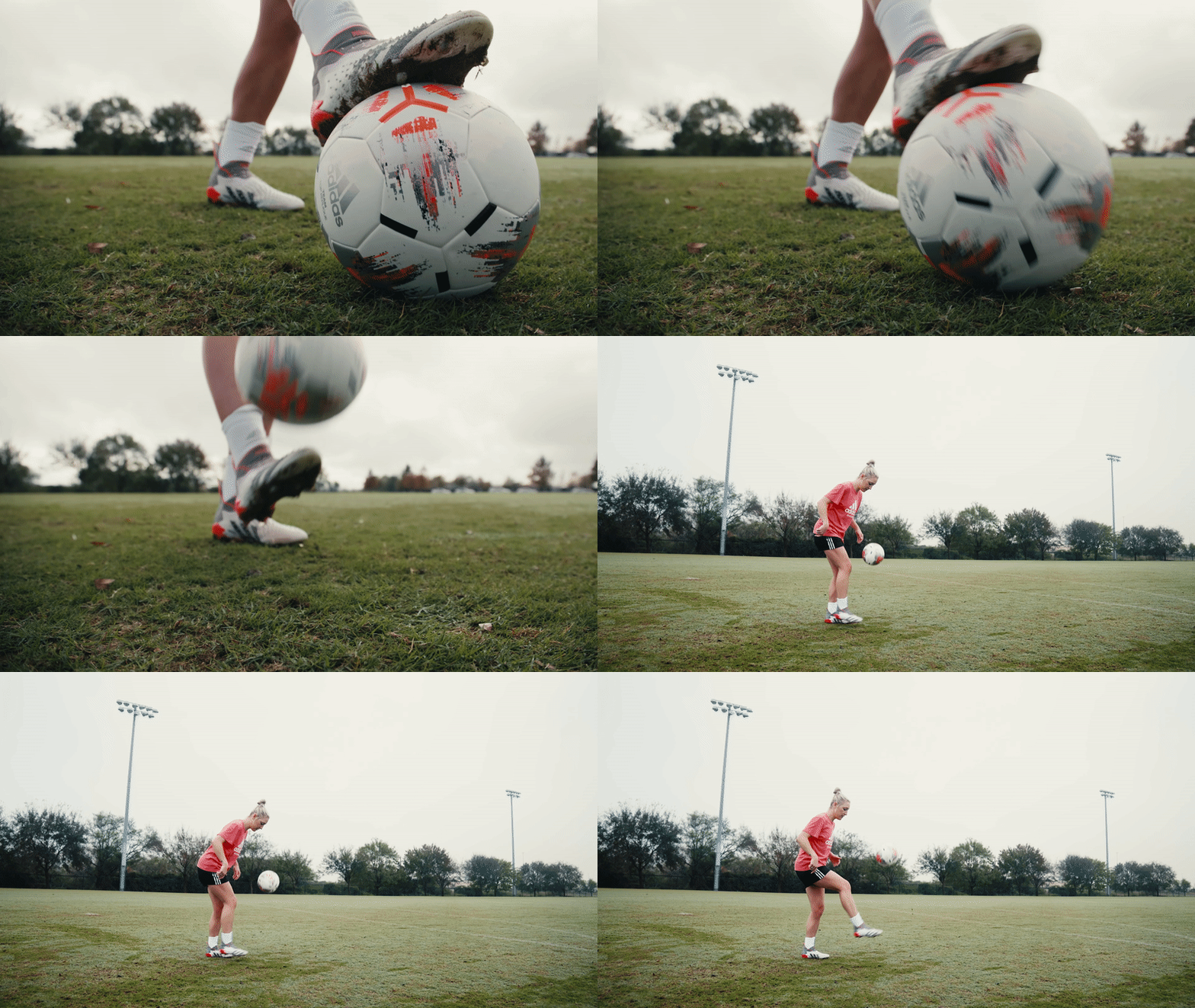
- Ground pickups: Use the sole of your foot to roll the ball toward you, then use the top of your foot to scoop the ball off the ground. Juggle it for as many touches as you can.

- Combining thighs and feet: Drop the ball to your thigh, just above your knee, and tap it. Then switch to tapping the ball up with your feet.

- Foot stall: Catching the ball on your foot is a tricky but fun technique that helps improve your balance. Drop the ball to your foot and juggle for a few beats. Then catch the ball on the top of your foot and hold it there for as long as you can. For an added challenge, go from isolating the ball to popping it back up to continue juggling.

- Around the world: Tap the ball with your foot and then circle that same foot around the ball fast enough to meet it at the bottom with another tap. You can practice inside-to-outside and outside-to-inside circle variations.
- The ladder: This trick lets you practice controlling the ball with different parts of your body. Begin juggling with your feet. Tap the ball up from your foot to your thigh. Use the top of your thigh to pop the ball up to your head. Repeat this move from the top down for an extra challenge.
- On the move: Want to get even more real-game value out of your juggling sessions? Place four cones in a small square and drift one step at a time while juggling with alternating feet. Move around the cones with a few extra touches at each cone.
- You could also try moving in an X pattern or changing direction to build even more ball control in motion.
- Tag team: Practice with a partner. Juggle the ball one to three times and then pass it to your partner on the bounce. Then they control the soccer ball and hit it one to three times before passing it back to you. Work together to keep the ball in the air. You’ll improve your ball control and communication at the same time.
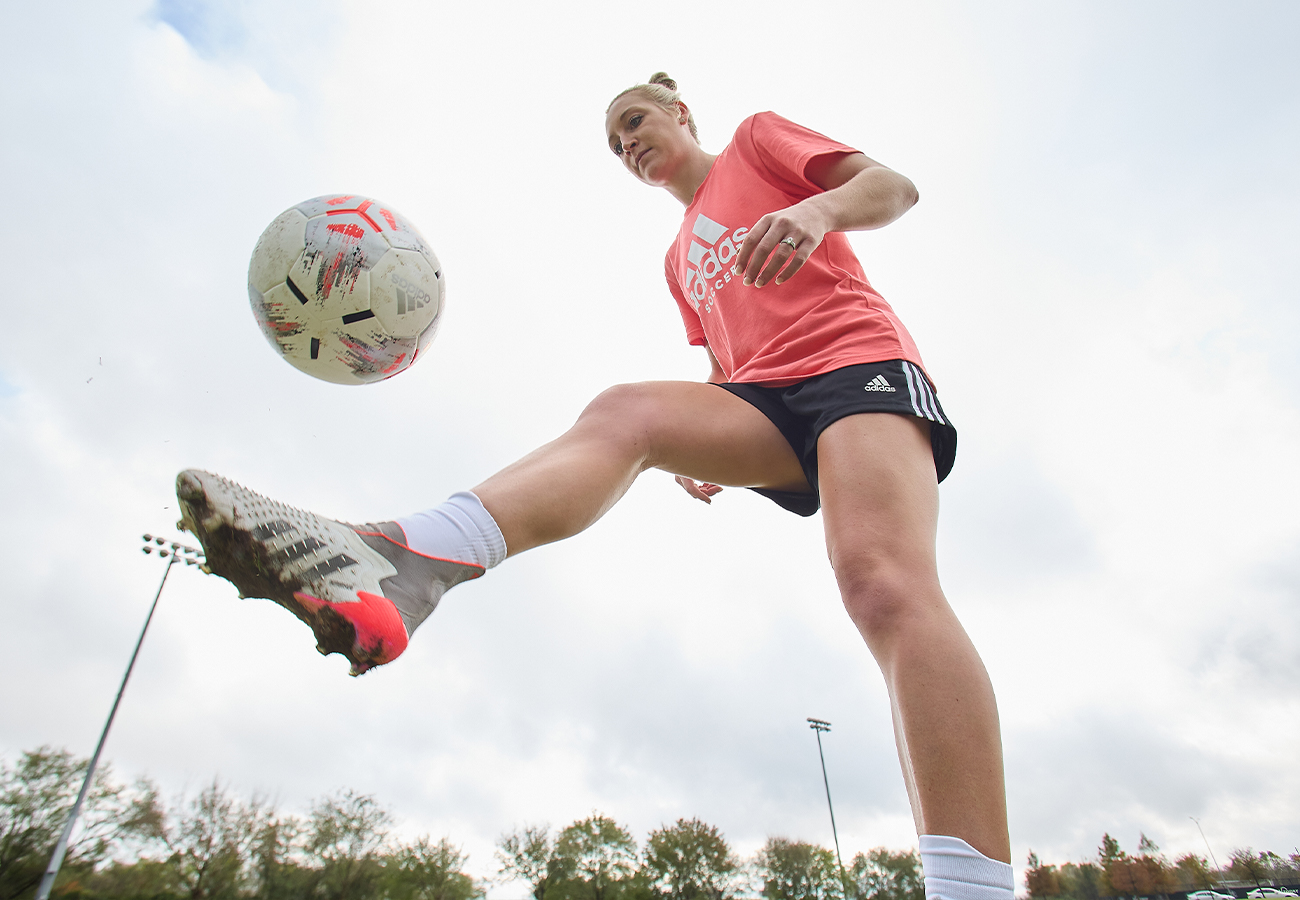
5 Tips to Get Better at Juggling a Soccer Ball
Whether you’re getting the one-touch catch down or upping your game with our advanced techniques, follow these tips for juggling a soccer ball:
- Prioritize consistency: Frequent short sessions beat scattered marathon days, so practice your soccer ball juggling as many days a week as possible.
- Track your progress: Use your notes app or a habit tracker to record every practice day and your best streak that day. Your progress may not be linear, but it will trend upward over time if you’re consistent, and seeing that trend can supercharge your motivation.
- Strengthen your weaknesses: Train both feet every session and add reps to improve your weaker foot.
- Play with patterns: Get creative and make your own drills by mixing up the order of touches between your feet, thighs, head, chest, and shoulders.
- Film yourself: Record your juggling drills so you can review the video and check your technique. Every time you lose ball control, try to understand what happened — Ankle went soft? Hit the ball off center? — so you can fix it next time.
How to Fix Common Soccer Ball Juggling Mistakes
If you’ve been trying to juggle a soccer ball and aren’t yet getting the results you want, here are six mistakes you could be making and how to fix them:
- Hitting with your toe: Lock your ankle and strike the ball bottom-center with your instep or laces for a straight vertical pop.
- Striking too early: Wait for the ball to fall to around knee-height before tapping. You’ll see instant gains in control and balance.
- Swinging from the hip: Let your knee drive the movement to keep the ball’s path straight up.
- Leaning or hunching: Your posture contributes to the ball’s movement, so keep it straight with a proud chest, light core brace, knees bent, and arms out for balance. This upright posture is ideal for juggling, but also improves your ability to read the field around you and avoid getting caught offside in real matches.
- Favoring a foot: If your weaker foot breaks your streak every time, add an extra three sets of 10 touches for that side each session. These could be one-touch bounces if necessary.
- Losing the fun: Track your best streak each day and celebrate small wins. If you feel frustrated, that’s completely normal — and it’s also a step in the process of building your skills. Take a break and see how you can change it up, like juggling with a friend or teammate. Let the fun fuel your progress.
Elevate Your Game With the Right Gear
Learning to juggle a soccer ball takes time and practice. By following the tips and drills in this guide, you have all the tools you need to succeed and enjoy better focus, balance, and control on the soccer field.
To get the most real-game value out of every minute you spend practicing, give yourself an edge with equipment that helps you improve your juggling skills and ball control. The right footwear, like properly fitted cleats, offers the stability and ball sensitivity needed to master challenging techniques. High-quality soccer balls also allow for handling precision with a consistent bounce and feel.