


Shorter days, colder temperatures, and unpredictable weather... oh my. Winter running certainly comes with potentially problematic conditions, but with the right preparation it can still be achievable (and dare we say, even enjoyable). To help you keep up with your fitness goals during the winter months, we’ve compiled these tips for running in the cold.
From what to wear to face the elements to how to run in the cold safely and effectively, this guide has got you covered, so read on and get ready to plan your next outdoor run. Sorry treadmill, you’re not invited.
WHAT TO WEAR FOR WINTER RUNNING
First things first, you can’t head out into the cold without the right gear. Your exact attire will depend on the climate and your current weather forecast, but there are still a few basic principles of wardrobe for cold weather running you can keep in mind. Make sure you have the following:
1. Warm base layers
2. Weather-appropriate outer layers (think water and wind proof)
3. Winter accessories like hats and gloves
4. Weather-ready running shoes
Let’s break it down further so you know exactly what you need for running in cold weather.
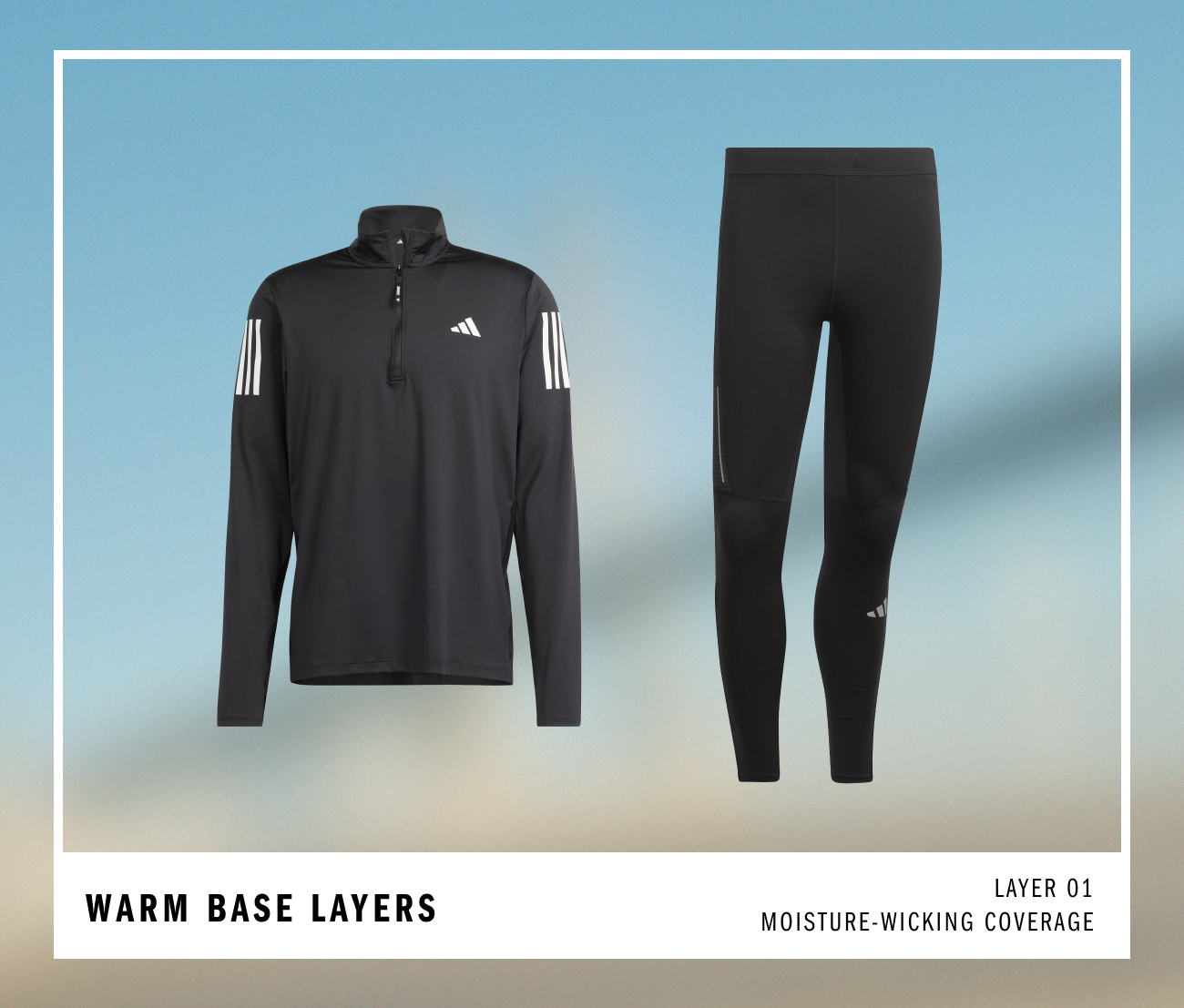
1. START WITH A WARM BASE
For now, it’s time to say goodbye to the days of throwing on a lightweight pair of shorts and running out the door. Put away your breezy summer tanks, shorts, and tees and grab some cold weather-ready base layers like leggings and moisture-wicking jackets.
Bonus points for favoring gear with reflective elements, that will help keep you visible in low light — more on that when we get into safety tips for running in the cold.

2. OUTER LAYERS TO KEEP YOU COVERED
Considering how cold it is where you’re running or what kind of weather you might encounter, you’ll want to choose the right outer layers to keep you comfortable throughout your run. Think about factors like wind, rain, or snow, then layer accordingly.
Be sure to grab an outer layer that will shield you from biting winds (and keep in mind that even a gentle breeze can feel intensely chilly when running in cold weather).
If temps have really dropped and you’re headed out into a winter wonderland, you’ll want to add something to provide extra insulation and warmth, like a vest.
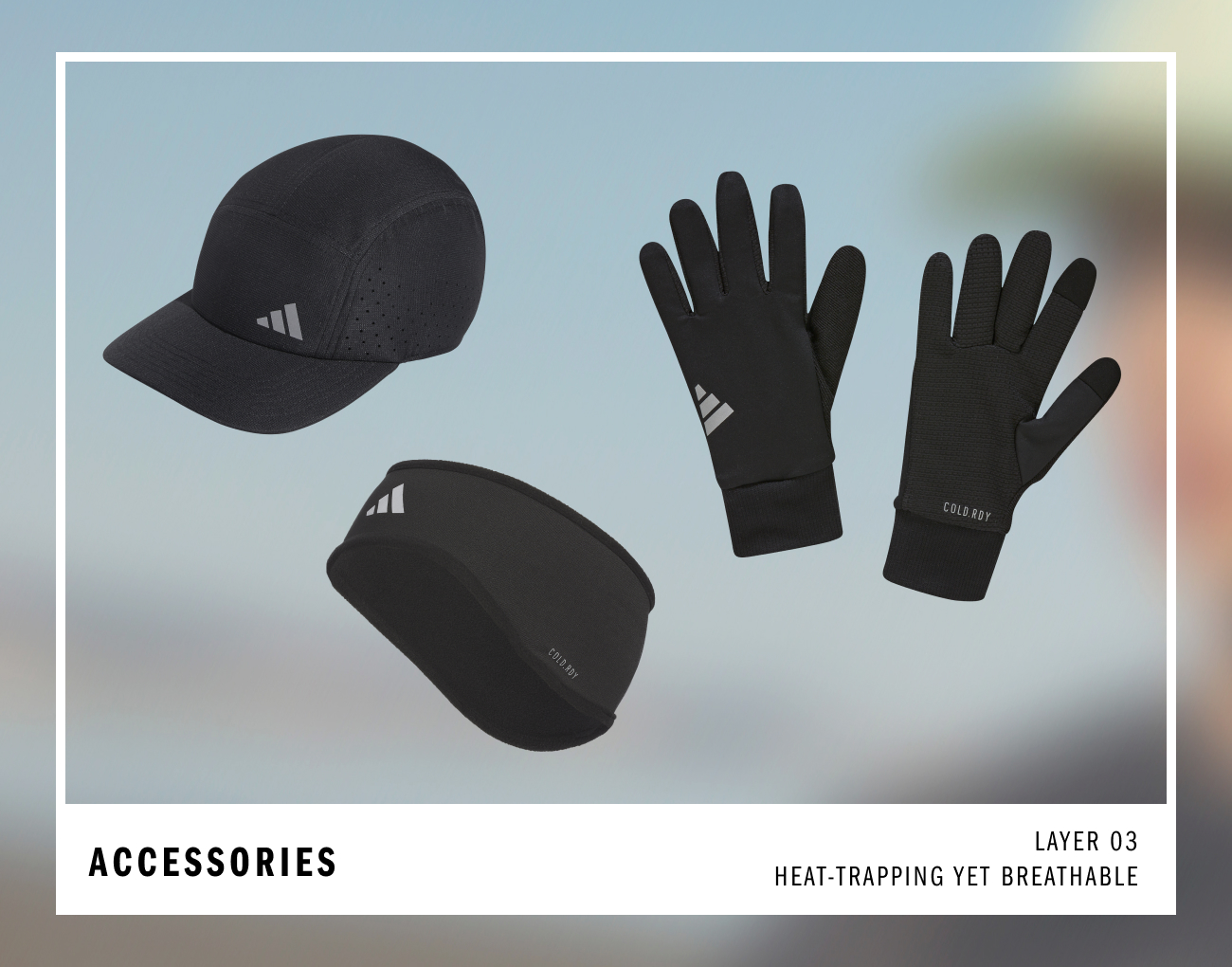
3. ACCESSORIZE APPROPRIATELY
This tip is no different than what you’d hear for any other outdoor winter excursion: Keep your head covered to keep warm. Choose a hat that’ll cover your head from wind and cold, while still providing some breathability once you’ve warmed up, like a running hat or fleece-lined headband that covers the ears.
You should also consider a pair of gloves made from a heat-trapping material like fleece to keep your hands comfortable (since there’s not much worse than having to cut a run short because your fingers go numb).

4. SWAP YOUR SHOES
When you’re headed out for some cold weather running, you’re likely to encounter other side effects of the elements. We’re talking puddles, slippery mud, wet piles of leaves, and more. Sure, you might be able to avoid some of them, but you want a pair of shoes that can stand up against anything you might meet. Look for some made with waterproof materials or seamless construction that will keep your feet dry and warm. And learn to lace your running shoes properly, too.
Don’t forget your socks! Opt for a moisture-wicking, performance-ready pair with cushioning for a soft landing with each stride.
HOW TO RUN IN THE COLD
Now that you’re aware of the appropriate gear to keep you comfortable, you’ve officially also checked off the first of a series of safety and preparedness tips for running in the cold. Consider the following when you’re getting ready for a winter run:
- Get the right gear. As covered above, ensure you’re dressing for the weather you’ll encounter. Keep in mind wind, precipitation, and your own comfort levels with cold conditions.
- Check the forecast. To that end, keep an eye on the weather report so you don’t get surprised while out on your run. Wondering how cold is too cold for running? If temps dip into low single-digits or below zero with windchill, it’s probably best to take your workout indoors.
- Do an indoor warm-up. Get your blood pumping and your body warmed up before you head outside. No need to overdo it; some jumping jacks or mobility moves that get you warm but not sweating will do the trick. In fact, you don’t want to start your run with sweat on your body, because the cold temps will cool your sweat and put you in danger of hypothermia. Oh, and while you’re prepping your body for your run, brush up on how to breathe while running.
- Know your route. Plan your run ahead of time so that you’re aware of your mileage and know your way back home. Consider a GPS watch or similar device, or pre-save your route on your phone’s mapping app.
- Be aware of low-light conditions. Shorter days and longer nights mean a higher chance of heading out during low light in the early morning hours or at sunset. If you do, grab some gear with reflective elements or a glow in the dark vest and a headlamp so others can see you, especially if you’re a road runner.
- Take it slow and steady. Leave the speed tests to the summer months and lean into more of a maintenance pace. This will ensure you can stay aware of changing conditions along your route. Plus, it allows you to take in the beautiful winter scenery, too!
- Do a post-run cool down and get warm. Once you are home, complete some post-run stretches and change out of your wet clothes quickly. You don’t want to risk hypothermia by staying in sweaty, cold clothing, which can happen even when you’re back indoors.

ENJOY COLD WEATHER RUNNING
After all this information, you might be thinking to yourself, “is it good to run in cold weather?”. The answer is a resounding yes. If you want to keep up with your running routine through the colder months, there’s no reason you shouldn’t — in fact, there are benefits to it that can help boost your running performance and overall health.
While running in the heat provides a notable cardiovascular challenge, running in cold weather has been shown to support blood flow, and in turn put less of a strain on the heart. Here’s why: In warm weather, sweating is the body’s cooling mechanism, which pulls blood from the trunk of the body into your extremities. In the cold, there’s less of a need for sweating, which frees up your blood volume instead of sending it to the skin to help produce sweat. This means you can potentially run at around the same pace with a lower heart rate than you would in the heat. Cool, right?
Another big bonus of winter running is that it can help combat seasonal depression. That mental and emotional boost you get after a run (a.k.a., a “runner’s high”) can help decrease the symptoms of seasonal affective disorder you might experience during the winter months. Plus, being outside during daylight hours can help you get a dose of vitamin D and keep your circadian rhythm regulated.
Armed with this information and after shopping for the right gear, you’re ready to keep your run streak going all winter long. Enjoy!