


HOW TO PICK A RUNNING SHOE
Knowing how to find the right running shoes is crucial to preventing injuries and staying comfortable throughout your runs; both play a big part in overall enjoyment and eagerness to keep running as time goes on.
There are a lot of important features to consider, including cushioning in running shoes, the heel to toe drop, and whether or not it’s suited for specific terrains. From the most cushioning to race-day favorites, we’re breaking down all the running shoe categories so you can find your perfect match.
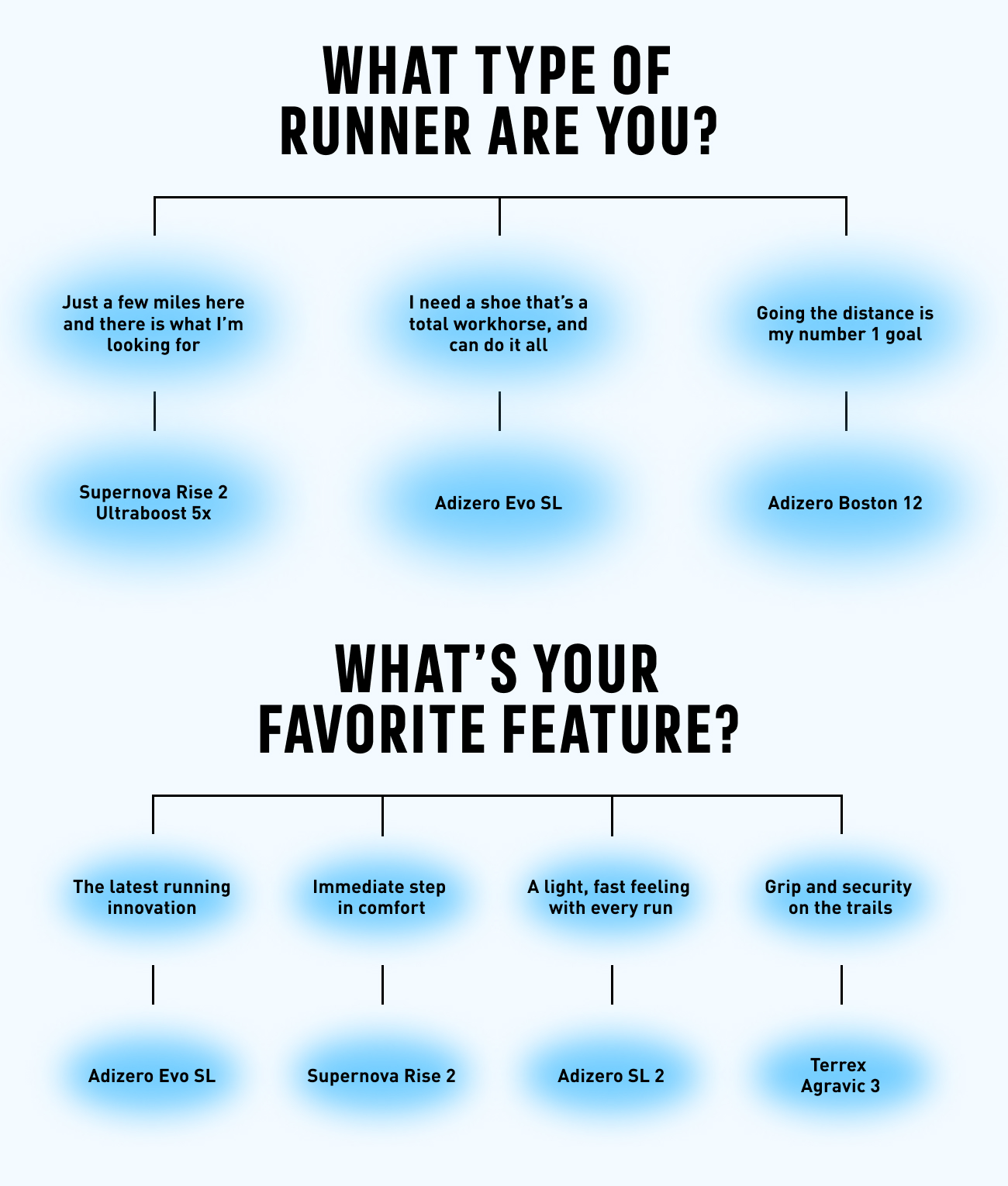
To start off, we’ve created a flow chart on how to pick shoes for running — helping map out some choices based on different running styles, including how often you like to run and what features you prioritize. You can also find more information about all the gear you’ll need in our guide on essentials for every runner.
THREE FACTORS TO CONSIDER WHEN BUYING RUNNING SHOES
There are lots of features in different running shoe categories that make them tempting to pick up — but to find the right pair for you, consider which features are important for your running habits.
1. WHERE DO YOU USUALLY RUN?
You might favor responsive and lightweight cushioning in running shoes if you're running on city concrete. It should also help neutralize your pronation and provide stability as well as traction, which are especially important for sidewalks, stairs, and roads; running in an unstable shoe could lead to ankle rolls or overuse injuries.
On the other hand, you might choose a shoe with durable traction that prevents foot rotation if you prefer the trails. It should be able to grip on different terrains — like mud, gravel, and dirt — and protect your feet from the elements.
We’ve written an in-depth guide on trail running shoes vs running shoes that goes into more detail on how to find the right running shoes for you.
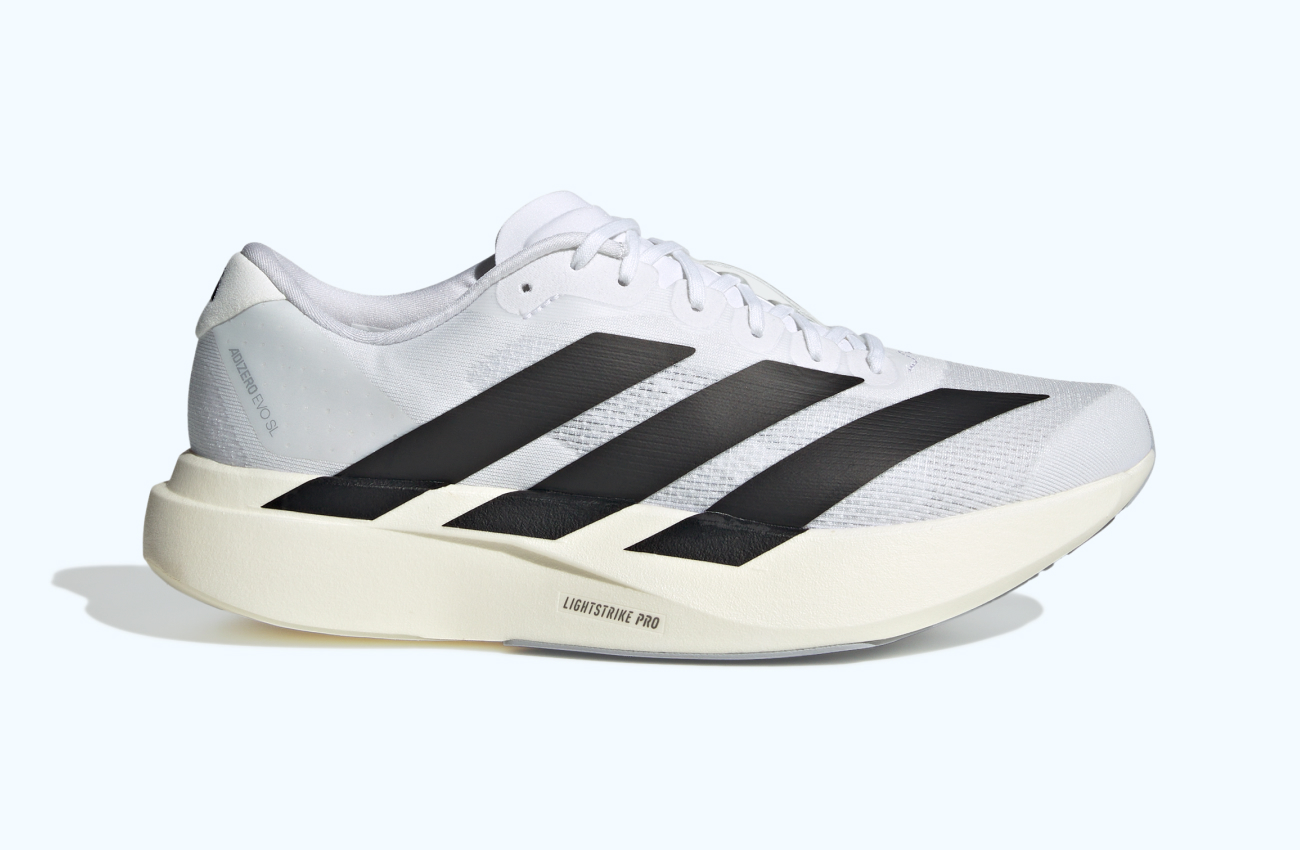
A. ROAD: Adizero EVO SL
If you’re learning about how to choose running shoes, the Adizero Evo SL is the perfect place to start. Taking cues from the Adizero Pro Evo 1, our lightest and fastest ever racing shoe, the Adizero Evo SL was made for everyone who wants to feel fast — wherever life takes them. Combining a racing aesthetic with Adizero running tech features, it makes for the perfect all-around road running shoe; the LIGHTSTRIKE PRO foam midsole is lighter than ever, offering resilient cushioning and optimal energy return.
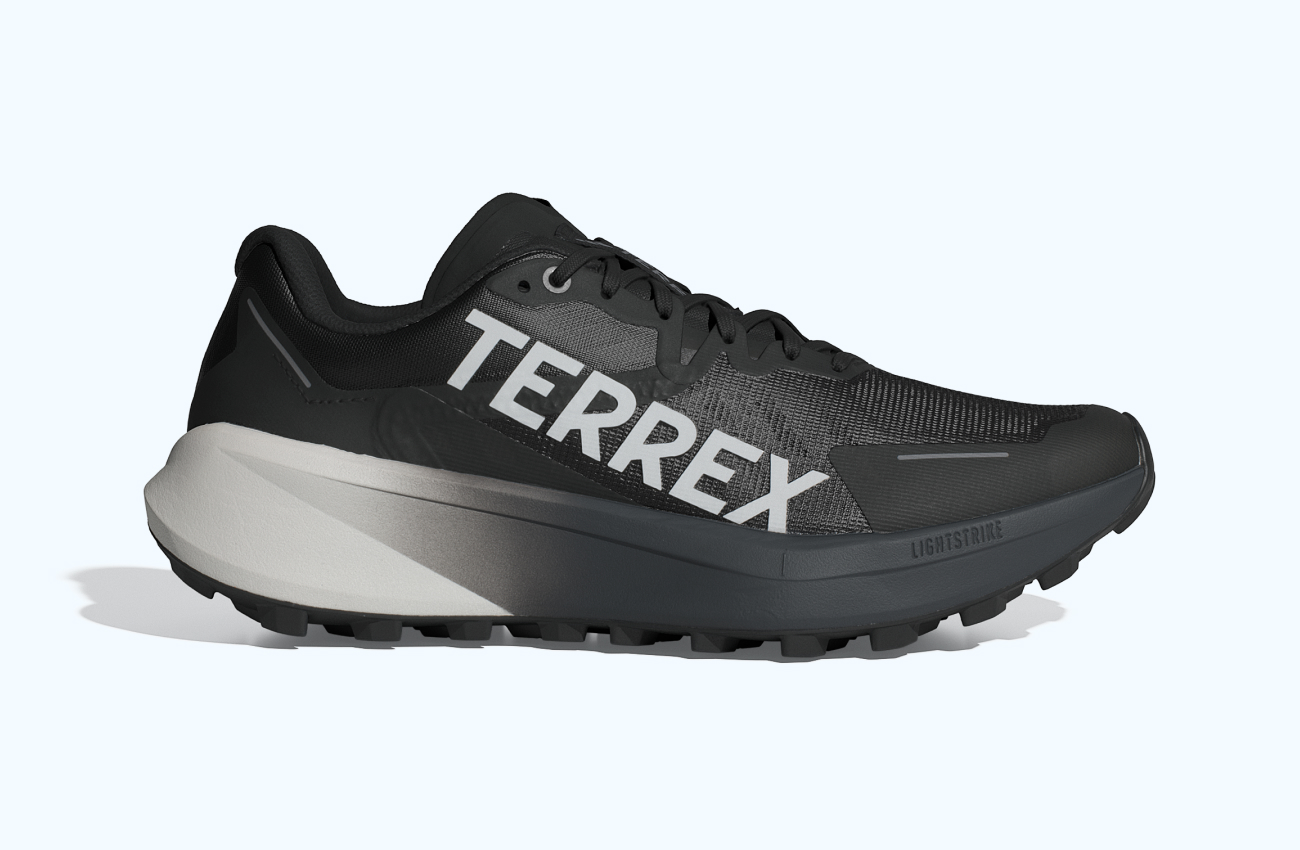
B. TRAIL: Terrex Agravic 3
The Terrex Agravic 3 is a robust and mighty running shoe that feels lightweight thanks to the Lightstrike foam. The mesh upper boosts your run with comfort and breathability — no matter the trail. The Terrex Agravic 3 is made to take on tough terrain. A trail running shoe that will elevate your mountain game, the Continental™ Rubber outsole delivers the grip you need for different terrains.
2. WHAT LEVEL OF CUSHIONING DO YOU LIKE?
Less cushioning lets you feel the ground as you run. More cushioning delivers more comfort and energy return, but it can also mean a heavier shoe that is higher off the ground. Everyone is different, so determine what feels good to you.

A. MAXIMUM: Ultraboost 5X
Ultraboost has always offered outstanding cushioning in running shoes, and Ultraboost 5X continues this legacy. The Light BOOST midsole provides lasting energy, responsiveness, and comfort. Hundreds of BOOST capsules are fused together and ready to explode with energy and power every stride. The iconic Light BOOST midsole is paired with the adidas LEP system, blessing runners with a responsive running stride.
Like the original Ultraboost, this updated model emphasizes versatility and comfort—making it a great cross-training shoe for people who are just getting into running and an excellent recovery running shoe for more advanced runners.
To find your ideal shoe fit for Ultraboost, read our Ultraboost sizing guide.
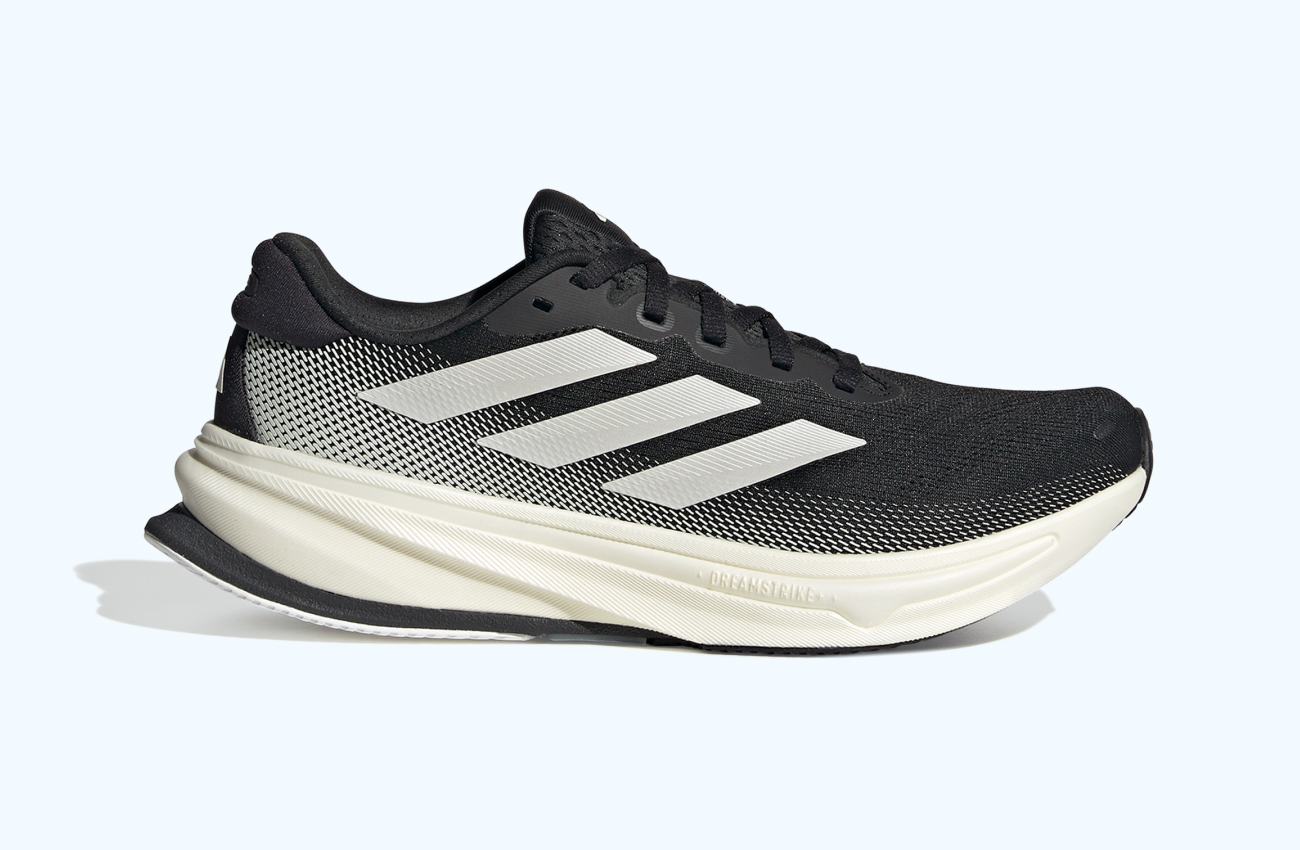
B. MODERATE: Supernova Rise 2
Designed to help runners run comfortably every time on any terrain, the Supernova Rise 2s are one of a kind. These cushioned shoes ride on a Dreamstrike+ midsole, our lightweight super foam tuned for comfort, and Support Rods help guide you from heel strike to toe off. The sandwich mesh upper and premium heel construction are elegantly designed for optimized breathability, giving it our most comfortable fit yet.
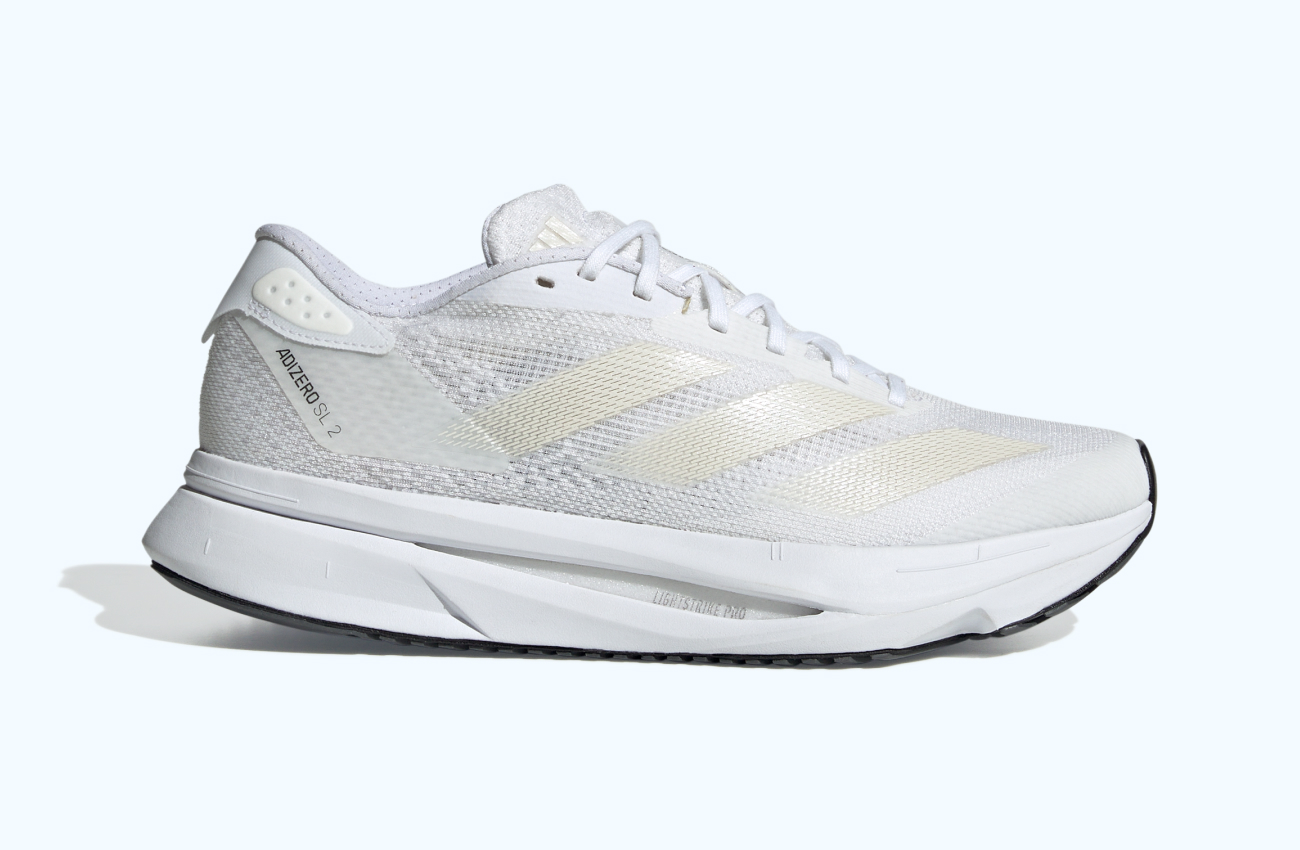
C. MINIMAL: Adizero SL 2
A versatile favorite from the Adizero family, the Adizero SL 2 delivers reliability, performance, and value. In contrast with the Supernova Rise 2 and the Ultraboost 5X, it serves as a go-to daily running shoe — powered by the responsive Lightstrike Pro foam in the midsole for next-level speed. Coupled with the engineered mesh upper for breathability, it’s an excellent pick for medium distance runs between 3 and 12 miles on nearly any terrain.
3. DO YOU NEED SPECIFIC GAIT SUPPORT?
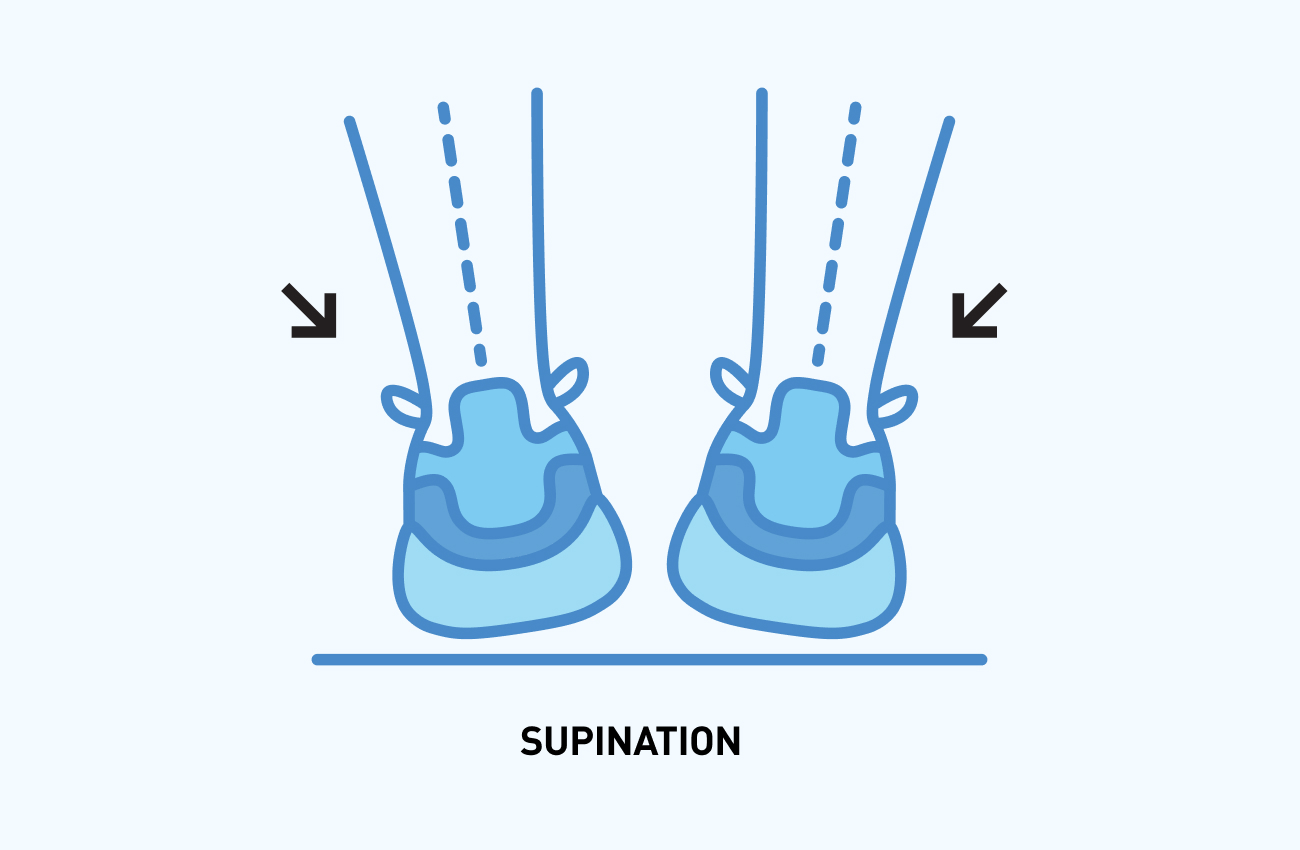
A critical part of how to pick shoes for running is knowing if you need specific shoes to help keep you balanced. If your ankles and feet roll inward, that means you overpronate. If your weight rolls to the outside of the foot, you supinate. These movements can cause pain or discomfort, and you might benefit from a shoe with specialized support to keep your foot in a neutral position.
HEEL-TO-TOE DROP
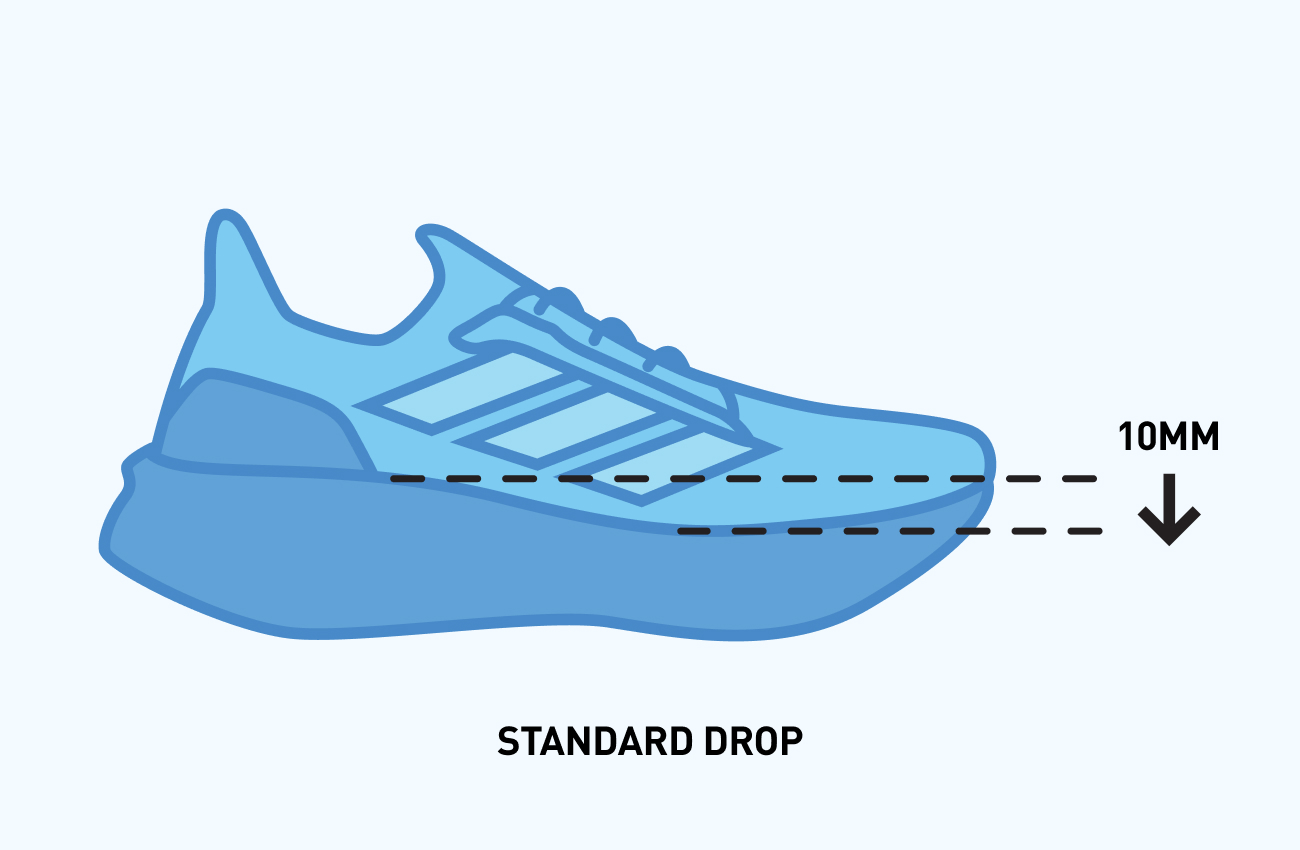
Avid runners are usually quick to look up the heel-to-toe drop when considering how to find the right running shoes. Often known as simply the ‘drop,’ the heel-to-toe drop is simply the tiny difference between the height of a shoe's heel cushioning and its forefoot cushioning, measured in millimeters.
A standard drop for a running shoe would be about 10mm, meaning that the majority of the cushioning is in the heel. This would force a runner to strike the ground with their heels first, placing more of a load on your knees and hips. On the other hand, some shoes might have less of a toe drop, measuring at 7 or 9mm, forcing more of a forefoot strike — placing a greater load on your ankles and calves, as well as your Achilles tendon.
Another detail to consider is the shoe’s stack height — the measurement of overall cushioning between your foot and the ground, or the maximum height of the midsole, also measured in millimeters.
Most regular running shoes have a stack height between 9mm and 29mm. A shoe with almost no cushioning would make you feel barefoot, often with a stack height between 3 and 8mm, and would force forefoot or midfoot strikes. The other extreme would be shoes with 30mm of cushioning or more, making for a very chunky midsole that would mostly encourage heel strikes. Competitive runners are limited to a stack height of 40mm, above which they would be disqualified.
Both are important factors when deciding how to pick shoes for running as they determine your tolerance and ability to stay balanced, diminishing your risk of injuries. Generally speaking, the heel-to-toe drop has a greater impact on your gait since it affects your foot strike pattern, while the stack height is simply the amount of cushioning.
A. BASIC PRONATION: Adizero EVO SL
Just as the Adizero Evo SL is a go-to choice for road running, it’s also a great neutral shoe for runners with basic pronation as they learn how to choose running shoes. Its streamlined features excel at delivering steady strides, contrasting with heavy or bulky running shoes.


B. OVERPRONATION: Supernova Rise 2
A workhorse for daily training, the Supernova Rise 2 is a lightweight and durable choice for runners with basic pronation or overpronation. It offers a firm and responsive ride thanks to the Dreamstrike+ midsole and Support Rods, as well as plenty of room in the toebox for natural foot movement. When considering how to find the right running shoes if you overpronate, the Supernova Rise 2 is a solid all-around runner.
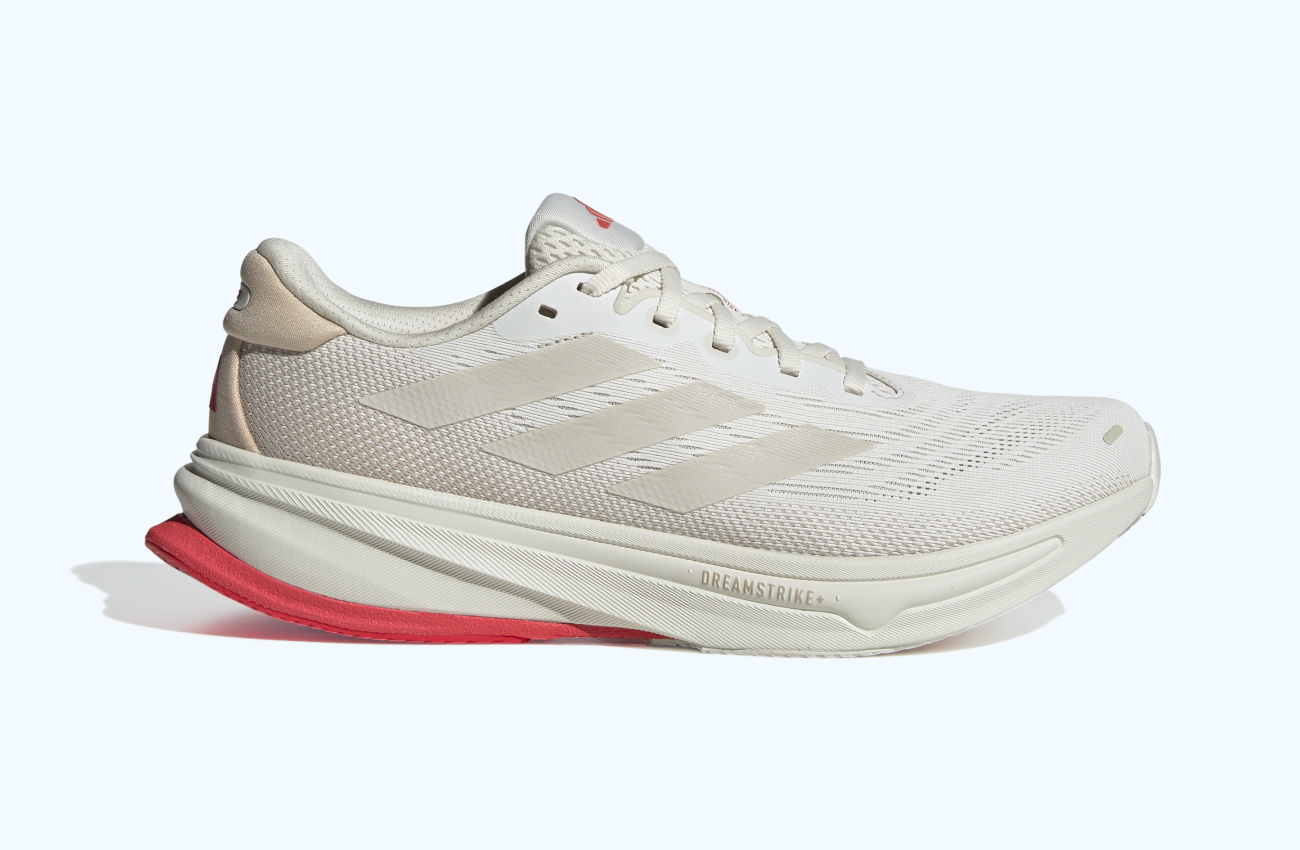

C. SUPINATION: Adizero Boston 12
Created for one of the most famous marathons in the world, the Adizero Boston 12 remains a go-to race day pick. However, this shoe is also perfect for training up for the big race. The Adizero Boston 12s are built for mid-to-long distance runs. They welcome a race-day quality and energy to training, with a propulsive feel that comes from Energyrods 2.0. The Energyrods 2.0 limit energy loss underfoot.
The newest edition of the Adizero Boston family, the 12s fuse Lightstrike Pro foam for a fast, snappy feel, giving every step more energy than the last, with Lightstrike 2.0 EVA for durability. Paired with the lightweight mesh upper, this shoe offers runners the ventilation and support needed during training and race day.

Frequently Asked Questions About Running Shoes
How should running shoes fit?
Once you narrow down how you’d like the shoe to perform, the next step is finding the right fit. Even the most technologically advanced running shoe won’t feel good if it doesn’t fit your feet correctly. Refer to our guide on how to measure shoe sizes to start with, but also consider how various shoe constructions can feel different. For example, your shoe size might feel slightly smaller in a sock-like upper versus a mesh knit upper.
You can find what kind of upper the shoe has in the product description on adidas.com. Regardless, a well-fitting shoe leaves plenty of room for the foot to expand in the toe box, supports your midfoot, and doesn’t let your heel slip out with each step. You might also find that a shoe will fit better with a different lacing style, and we have an illustrated piece on how to lace running shoes with six different methods you can try out.
What type of running shoes do I need?
There are a few factors to consider when thinking about how to choose running shoes — namely, where you usually run, how much cushioning you need, and whether or not you need specific gait support. On top of that, they each have different running shoe categories.
If you’re looking to run more in the city, for example, you may prefer a shoe with ample, lightweight cushioning, traction, and neutral pronation to keep you steady on sidewalks, roads, and stairs. If you want to venture out into trail hikes, try on a more protective shoe with traction that can grip various terrains and prevent foot rotation.
You may also want to compare the heel-to-toe drop in different running shoes to see which suits you best; a lower drop will cause you to strike with your forefoot, whereas a higher drop will make you strike with your heel. At the same time, shoes with a higher stack height will have more cushioning overall and encourage heel strikes, while shoes with a low — or even zero — stack height will force midfoot or forefoot strikes.
Ultimately, it’s good to test out different shoes to see what feels most comfortable. Whether you run on a trail once a week or run long distances in the city three times a week, you’ll set yourself up for long-term success with the right pair of shoes for both regimens.
How many miles should running shoes last?
A good rule of thumb is to replace your running shoes every 300 or 400 miles, or possibly even 500 miles – roughly every four to six months, if you average 20 miles per week. At first, it may take some time to properly break your shoes in — and if you need some tips, we’ve written a short guide on how to break in shoes for maximum comfort.
But after thousands of steps in the same shoe, you will notice signs of wear: The cushioning in the midsole can become compressed, limiting its energy return and support. At the same time, the tread of the outsole wears down, which reduces traction, and the knit upper can stretch out, losing its supportive capabilities. You’ll feel and see the difference, and that’s how you know when to replace your running shoes.
To help get the full life out of your shoes, check out our article on how to clean running shoes to keep them fresh mile after mile.