


From rocky mountain trails to alpine forests, trail running is one of the most fulfilling ways to explore the outdoors. But the right running gear can make or break your experience. With rugged terrain, unpredictable weather and more miles off-road, what should you wear for trail running?
When running off-road, you’ll need specific clothing and gear, as your outfit impacts your comfort, performance, and safety. Whether you’re experienced or just getting started, we’ve put together the ultimate checklist to help you choose the perfect trail running outfit.
What Is the Difference Between Trail Running and Road Running Gear?
While traditional running gear is a good starting point, trail running clothes and shoes are designed especially for varied landscapes. When you’re choosing what to wear for a trail run, it’s important to remember that trail runs are usually longer and will take you over uneven, unpredictable terrain, so you’ll want running gear that’s a bit tougher and more versatile.
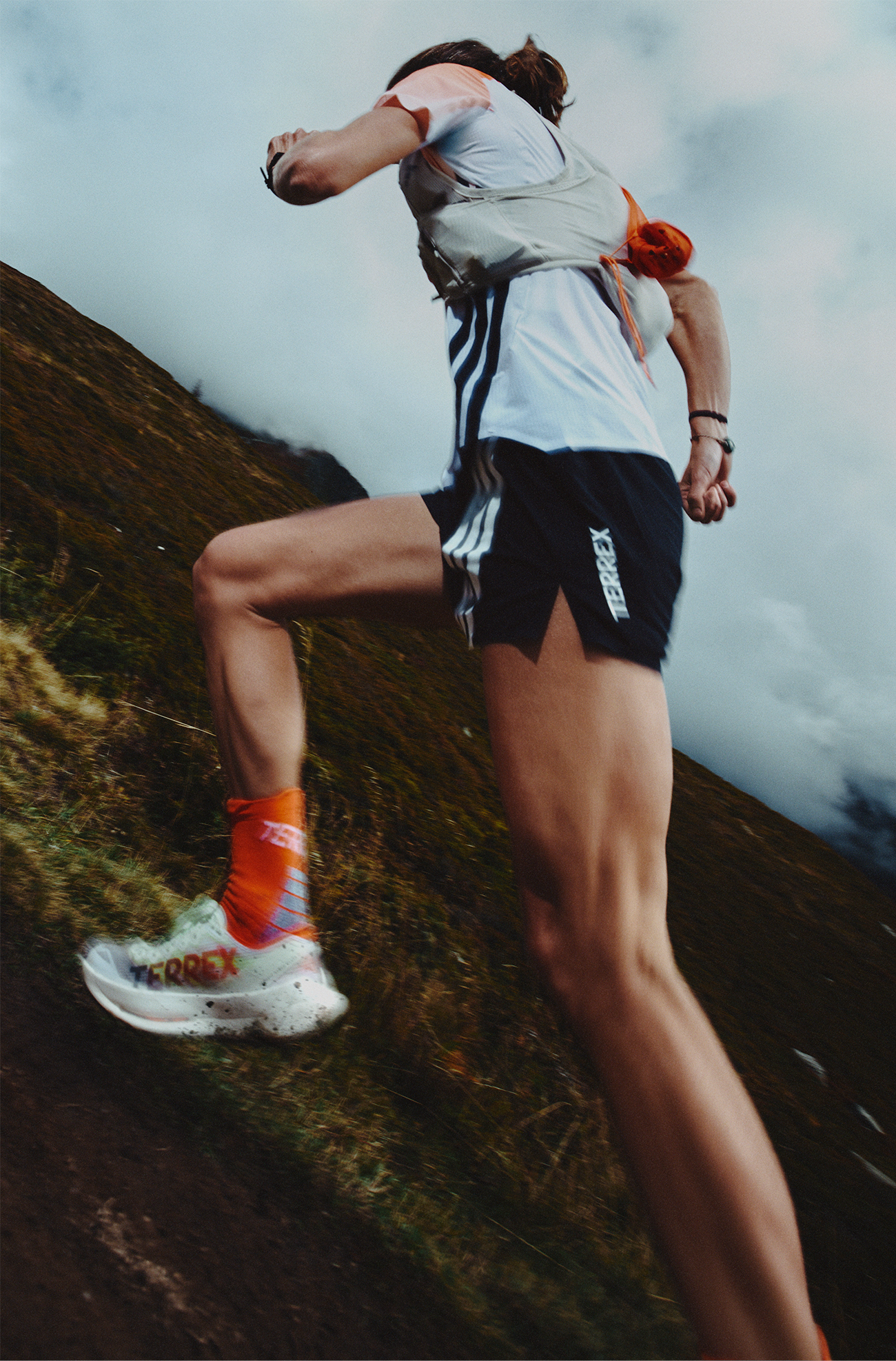
For example, trail shoes typically have deeper lugs for improved grip and added protection compared to road running shoes. They’re designed to withstand dirt, rocks, and mud, while also keeping you comfortable on longer runs. Check out our guide on the difference between trail running shoes and running shoes to help you decide what’s best for you.
When it comes to trail clothes, they’re often more durable and resistant to scrapes, as well as moisture-wicking to help with sweating and potential moisture from wet weather conditions. Layering is a smart move since weather and elevation can change quickly out on the trail, and visibility and safety gear become more important when you’re in more remote areas.
What to Wear Trail Running
Trail running gear is made for uneven ground, changing weather, and spending more time outside than you usually would on a road run. Wearing the right clothing helps you avoid chafing, overheating and blisters, so you can focus more on the trail and your running performance. For a comprehensive checklist on what to wear on a run, check out our guide on running essentials for every runner.
Trail Running Shoes
Trail running shoes are one of the most vital pieces of clothing in your trail running arsenal. Running in natural environments means you’re bound to encounter drastically different terrain: rocks, pebbles, mud, water, and foliage. Not only this, but you’ll experience different gradients, from running down steep hills to tackling more challenging uphill climbs.
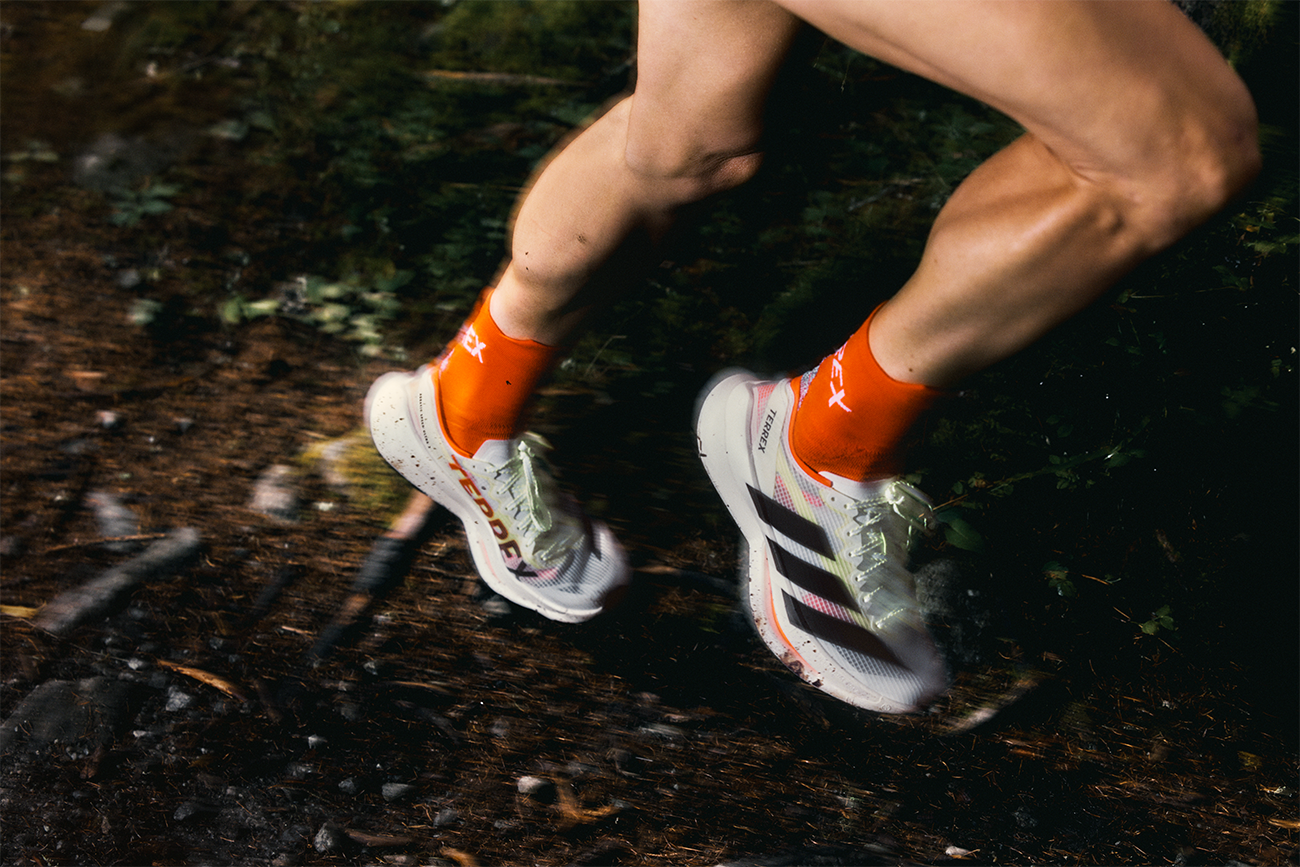
Thankfully, trail running shoes are built from tougher stuff. They usually feature sturdy outsole lugs for traction, durable uppers to protect against rocks and debris and a secure but comfortable fit to help runners stay stable on uneven terrain. Trail shoes are also typically made with breathable, quick-drying materials. Not just for comfort, but to handle the wet and muddy conditions you’re likely to encounter on your trail.
For even more protection in wet conditions, waterproof options like our GORE-TEX trail running shoes provide a breathable barrier that helps seal out moisture from rain, puddles and mud. That means you can stay dry and comfortable, even when the trail turns soggy.
Before you choose what shoes to go for, make sure you know the difference between trail running shoes and hiking shoes. While they have some similarities, trail running shoes are built to be lighter and more responsive, making them a better choice for speed and agility.
Trail Running Socks
Socks are just as important as your shoes on a trail run. When deciding what trail running socks to wear, focus on materials that manage moisture well. Synthetic blends like nylon are ideal because they wick sweat, dry quickly, and help reduce the risk of blisters, which is especially important on longer runs or uneven terrain where friction is more likely.
Targeted cushioning and arch support can provide extra stability in high-impact areas, while reinforced heels and toes stand up to rough trails and repeated wear. A snug, secure fit is also key as it prevents the sock from slipping or bunching inside your shoe, reducing friction.
Sock height and thickness come down to terrain, weather, and personal preference. Taller socks can offer extra protection from dirt, rocks and brush, while lighter, thinner options may feel better in warm conditions. The idea is to strike the right balance between protection, breathability, and all-day comfort on the trail.
Trail Running Tops
Choosing the right trail running top is an important part of building a comfortable trail run outfit. Trail running tops are designed to handle sweat, sun exposure and changing conditions, so fabric choice is important. Look for lightweight, moisture-wicking materials that pull sweat away from your skin and help regulate body temperature during your run.

Style will depend on the weather and your level of sun exposure. Short-sleeve tops are a versatile option for mild conditions, long sleeves provide extra warmth and sun protection, and sleeveless styles increase airflow in hot weather. In cooler, windy, or wet conditions, a lightweight trail running jacket – ideally one that’s packable and breathable – adds a layer of protection without weighing you down.
Performance details make a difference, too. Flat seams help reduce chafing on longer runs, while breathable mesh panels improve ventilation in high-heat areas.
Trail Running Bottoms
Trail running bottoms – whether they’re shorts, leggings, or hybrid styles – are designed to move with you while traversing rugged terrain. Stretchy fabric is key, allowing for full range of motion on climbs, descents, and technical parts of a trail. Durable, abrasion-resistant fabrics help protect against brush and rough surfaces, while moisture-wicking materials reduce sweat buildup and chafing over longer distances.
A secure, comfortable waistband is essential to prevent slipping or digging in as you move. Many trail running shorts and tights also feature thoughtfully placed storage pockets, making it easy to carry essentials like keys or a phone without the need for a pack on shorter runs.
Ultimately, the choice between shorts, leggings, or a hybrid option often comes down to personal comfort, weather, and terrain. Some runners prefer the breathability of shorts, while others might opt for the added coverage and protection that leggings give you on cooler or more technical trails.
Layers for Changing Trail Conditions
Layering is a key part of trail running, especially when routes involve elevation changes or unpredictable weather. A layered outfit allows you to adjust quickly and stay comfortable as conditions change during your run.
Start with a lightweight base layer made from moisture-wicking fabric to keep sweat off your skin and regulate body temperature. A great base layer for the torso is the Terrex Xperior Climacool+ Tee or the Terrex Multi Synthetic Base Layer Long Sleeve. Pair this with Terrex Multi Synthetic Base Layer Tights to keep your legs cool and dry on your run.
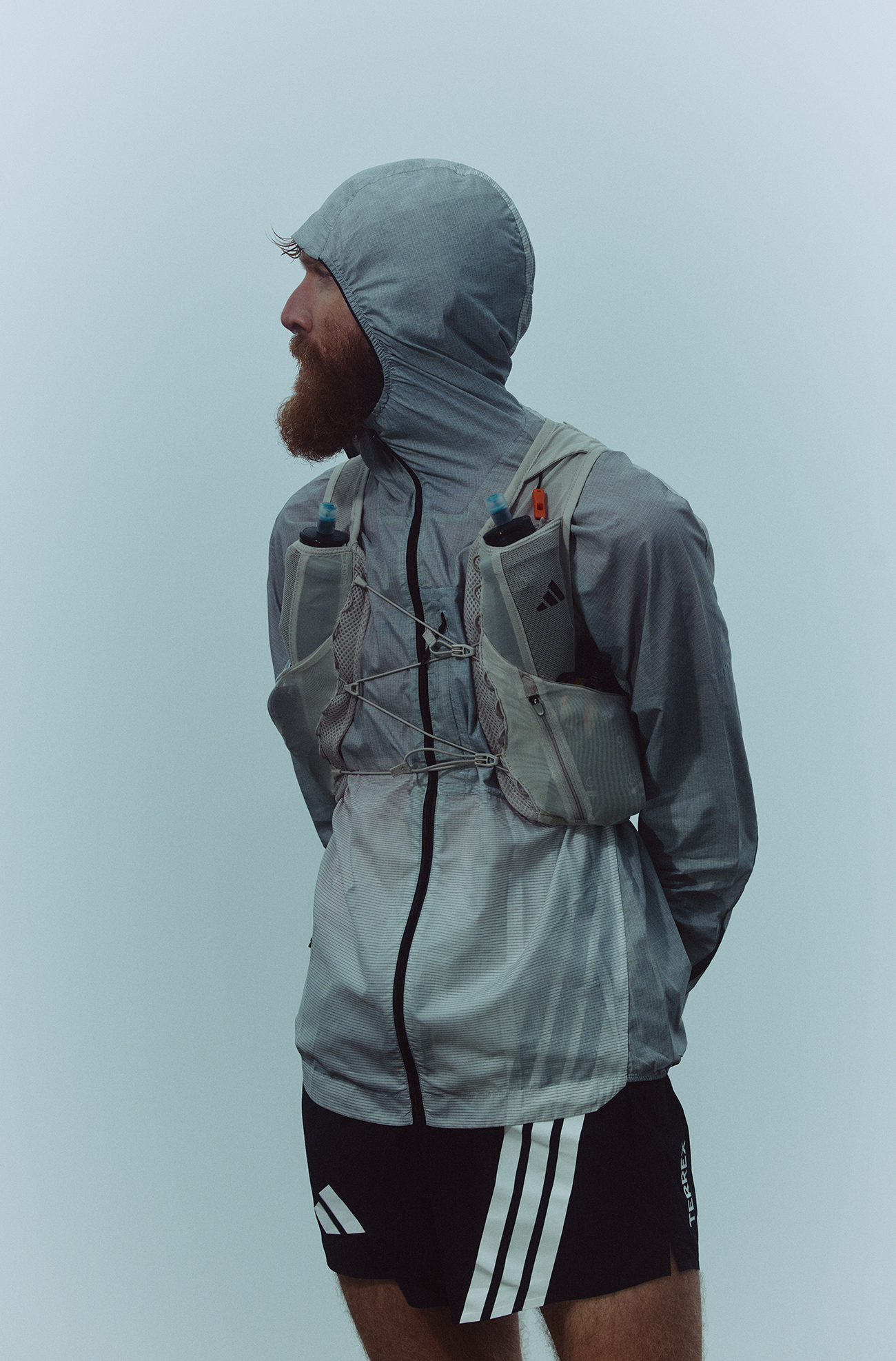
In cooler conditions, add an insulating mid-layer. A light fleece or technical long sleeve, like the Terrex Xperior PrimaLoft Loose Fill Insulated Hooded Jacket helps you retain warmth without restricting movement. For wind, rain, or sudden temperature drops, a breathable, easily packable outer layer like the Terrex Multi 2.5L Rain.Rdy Jacket provides protection from rain while still allowing excess heat to escape.
The goal is to choose layers that are easy to remove, stash, and carry without adding bulk. Adaptable clothing helps you respond to changing trail conditions in real time, keeping you comfortable and focused no matter what the forecast has in store.
Trail Running Accessories
On a trail run, you need to be prepared for anything. The right accessories can round out your trail run outfit and make a real difference. On sunny days, a lightweight running cap or visor and UV-blocking sunglasses help protect against glare and prolonged sun exposure. For hydration, options like handheld bottles, waist belts, or hydration vests, like the Terrex Trail Running Vest, are a life saver – especially on more remote routes.
In colder conditions, small additions such as lightweight gloves, ear-warming headbands, or earmuffs provide just enough insulation without overheating. These pieces are easy to stash if temperatures rise mid-run.
Safety and visibility matter on the trails, too. Reflective details can improve visibility in low light, while a headlamp is essential for early morning, evening, or shaded forest runs.
How to Dress for Trail Running in Different Weather Conditions
One of the unique things about trail running is that it takes place in more remote natural locations. The weather is always unpredictable, but it’s one thing getting caught in the rain on a road run, another when you’re halfway up a mountain.
Temperature, wind, rain, and even humidity can affect your comfort and performance, so choosing the right trail running outfit helps you stay focused and protected.
In hotter weather, go for lightweight, breathable, moisture-wicking fabrics that promote airflow and offer sun protection. Hats, sunglasses, and light-colored clothing can also help manage heat exposure. Read through our guide on what to wear when hiking in hot weather to help you decide what to bring along with you.

When running in cold conditions, rely on a layering system: a sweat-wicking base layer, an insulating mid-layer, and a wind-resistant outer shell. This combination traps warmth while still allowing you to adjust as your body temperature rises. For wet weather, or if you’re wondering what to wear on a muddy trail run, choose water-resistant outer layers and quick-drying fabrics that won’t stay heavy when soaked. See our tips for running in the rain to help you with runs in wet weather.
Finding Your Perfect Trail Running Outfit
What works best depends on your terrain, distance, climate, and personal preferences. The key principles remain the same: prioritize comfort, protection, adaptability, and confidence in your gear. Choose pieces that help you handle uneven ground, shifting weather and longer miles without distraction.
If you’re just getting started, keep it simple. Focus on well-fitting shoes, moisture-wicking layers, and practical accessories, then refine your setup as you gain experience. Over time, you’ll learn what feels best for your body and the trails you love.