


The Benefits of Trail Running
Of all sports, running is relatively easy to get out and do. There are so many ways to enjoy running, from marathon training to quick city runs to exploring nature’s trails. For those curious about trail running, it takes a regular run to the next level. By blending endurance and cardiovascular exercise with the calming effects of nature, it makes for a rejuvenating full-body workout. With endless trails to explore, every run feels fresh, making trail running for beginners and seasoned athletes a trusted favorite.
Is Trail Running Harder Than Street Running?
One of the benefits of trail running versus road running is that every step lands on a softer surface than pavement, making trail running slightly easier on your joints and body. The uneven terrain creates a full-body workout that trains your balance and agility more than a run on pavement. Most runs involve route planning, but trail running has the added element of being in nature, which means more upfront planning so you’re aware of your direction and surroundings. Trail running is not necessarily harder than street running, but it does come with its differences.
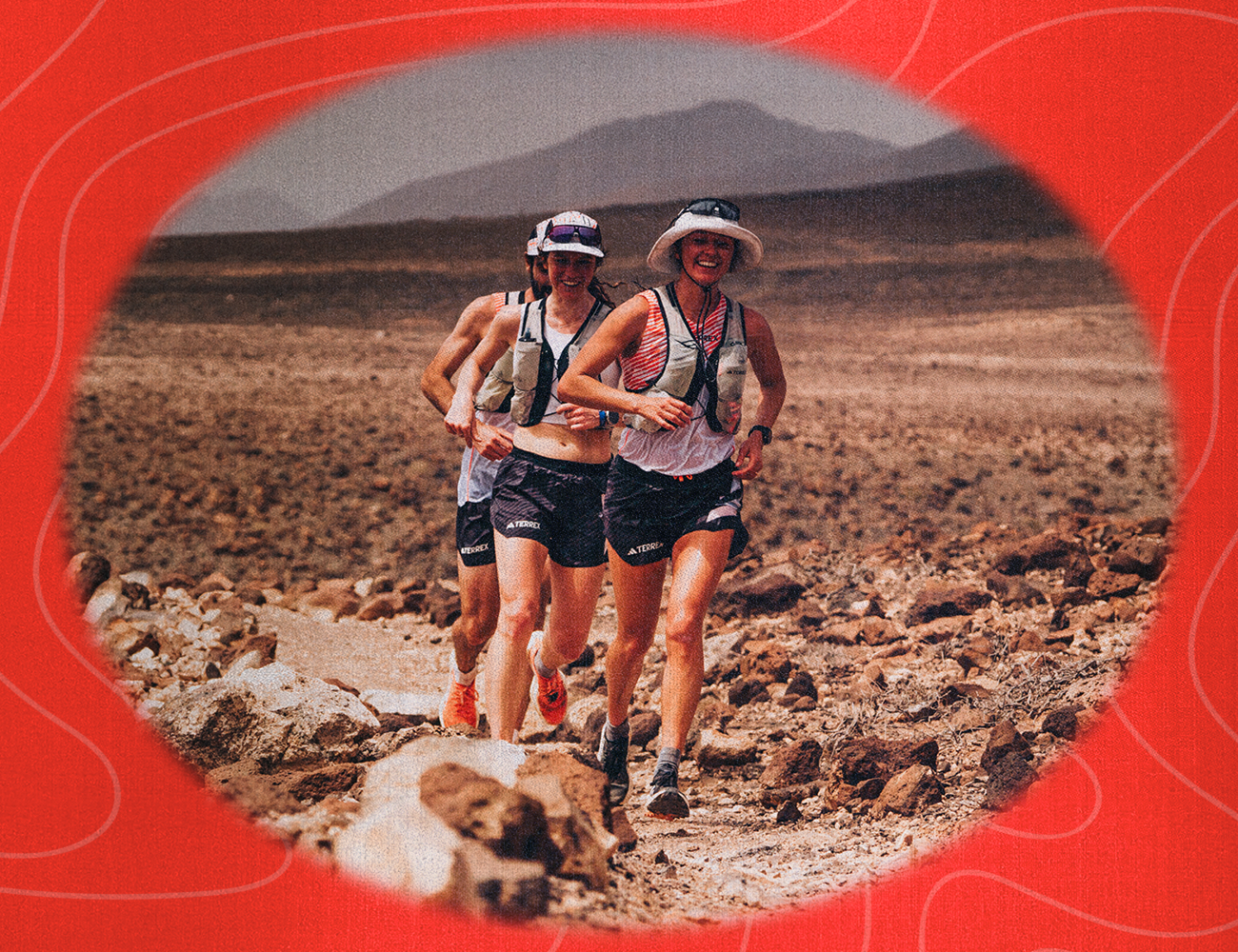
How to Prepare for a Trail Run
1. Find a trail: Research your trail ahead of time to look at the route, mileage, elevation gain, and technical specifications about the trail conditions and features.
2. Elevation over distance: When running on a road, mileage is king. But on the trail, elevation gain can be a major factor in how long the run will take and how strenuous it will be. Decide how long you want your run to be, and check if the trail and elevation gain will match your goals.
3. Gather your gear: Set your trail run up for success by investing in the right gear and carrying enough water and food.

List of Gear for Trail Running
In addition to the typical sweat-wicking apparel you’d wear on a run, you’ll need a few specific items before venturing out on the trail.
- Trail running shoes: Different than hiking shoes and regular running shoes. Learn more in our trail running vs. hiking shoe guide.
- An outer layer depending on weather conditions.
- A way to carry water and food (hand strap or waist pack for short distances, running vest or running pack for long distances).

Trail Running Technique
You’re all set up for a run, now it’s time to get out there. If you’re used to running on pavement, there are a few differences you’ll notice on the trail, so follow our starter tips for comfort and success.
1. Take short strides: With roots, rocks and uneven paths, short strides will help you stay agile to hop and dodge your way up the trail. As you run uphill, short strides will help your body stay upright to breathe correctly. On the downhill, it helps keep your balance underfoot to avoid sliding out.
2. Walk when needed: When going up or down a steep hill, navigating large rocks or boulders, or in slippery conditions, you can and should slow down to a soft jog or a walk. At the end of the day, safely returning home from your run uninjured is what matters most!
3. Hydrate and fuel: Running on trails can zap your energy quickly, so drink around 24 to 32 ounces of water per hour and refuel with carbohydrates to keep your energy up.
If you’re a trail running beginner, you might just fall in love with all that the wilderness brings to your run. Grab running apparel, shoes and outdoor gear from adidas Terrex, and when you get home from a run, refresh your trail running shoes with our shoe cleaning guide so you’re ready for the next time the wild trail calls your name.